
How To Boost Your Milk Supply While Working
How I Overcame My Struggle and Built a 300+ oz Freezer Stash
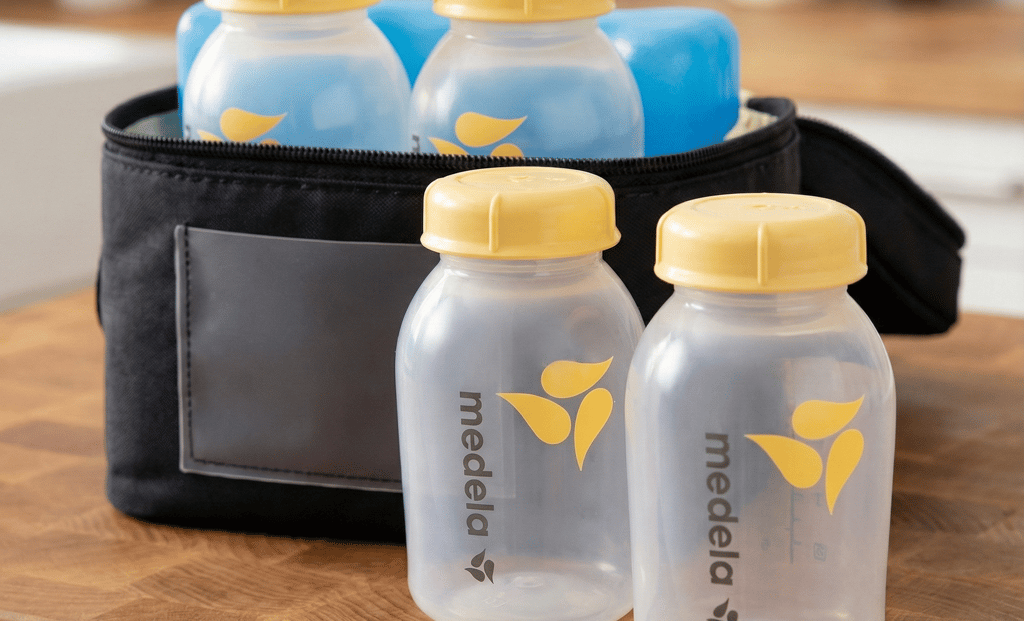

Boost Milk Supply While Working: How I Overcame My Struggle and Built a 300+ oz Freezer Stash
Keeping up a solid milk supply while working felt like an uphill battle after my first daughter was born. I was pumping frequently—four times a day at work, sometimes even in the car—but my supply was still dropping, which caused a lot of stress. I felt like a failure when we had to start supplementing with formula.
Now, with my second child, I've realized some key mistakes and adjusted my routine. I'm currently breastfeeding on demand, pumping, and have built up over 300 ounces of breast milk in our freezer.
Here’s what made the difference:
1. Choosing The Right Pump
I initially used a wearable pump for convenience with my first, pumping 4-5 times during my long workdays. I later learned that the motors on many wearable pumps aren't strong enough to maintain a strong supply over time. Switching to a hospital-grade pump like the Spectra S2 made a world of difference in efficiency and output.
2. "Hands-On" Pumping
During pumping sessions, I make sure to massage my breasts from the armpit toward the nipple. This simple technique helps empty the milk ducts more thoroughly. A more complete emptying signals the body to produce more milk to "refill" the space, which is critical for supply maintenance..
3. Trigger Your Let-Down with Sensory Cues
Stress can actively inhibit your let-down reflex, while feelings of love and thoughts of your baby can trigger it. I noticed I pumped more when I used the time to read or scroll social media versus trying to work on my phone. To help boost oxytocin (the 'love hormone') while you're pumping, try these tips:
Look at photos or videos of your baby.
Listen to a recording of your baby’s coos or cries.
Bring a small piece of your baby's clothing or a blanket to smell during your session.
4. Incorporate Power Pumping
Power pumping mimics a baby’s "cluster feeding"—an intense period of frequent nursing that tells your body to ramp up production. When I notice my supply dipping, I'll do this once a day for 3–5 days:
20 minutes pumping
10 minutes rest
10 minutes pumping
10 minutes rest
10 minutes pumping
5. Check Your Flange Size and Pump Parts
The wrong flange size can cause pain and reduce milk removal efficiency. Your nipple should move freely in the tunnel without rubbing against the sides. Furthermore, pump parts like valves and membranes lose suction over time. I replace mine every 3–6 months (or sooner if I notice a dip in supply) to ensure the pump is emptying my breasts efficiently.
6. Maximize Nursing and Skin-to-Skin at Home
Outside of work, I nurse on demand as much as possible. This "recharges" my supply naturally. On evenings and days off, spending time with my baby skin-to-skin is a priority, as it boosts the two main milk-producing hormones: prolactin and oxytocin.
7. Prioritize Milk-Boosting Foods
Fueling your body correctly is essential for making milk. I focus on:
Oats: A bowl of oatmeal in the morning is a great start to the day.
Water: Stay consistently hydrated! You don't need to over-hydrate, but even slight dehydration can impact your energy and supply.
Protein: I try to include a protein source with every meal or snack, like jerky, nut butters, and protein bars. Make sure you are getting enough calories and protein to properly fuel your body's production.
Ready to boost your own milk supply while working?
Start by picking just one of these steps—like checking your flange size or trying "hands-on" pumping—and commit to it this week. Every ounce matters!
What's your biggest struggle or best tip for pumping at work? Share your experience with me below!