The Nap Drop: How To Introduce "Quiet Time"
A Step-by-Step Guide to Establishing a Quiet Time Routine That Sticks
Disclosure: As an Amazon Associate I earn from qualifying purchases. This means if you click through and buy something I get a small kickback that helps keep this blog running. I only recommend gear I actually use in my own daily life.
"Quiet time" is a common and helpful routine for toddlers, especially as they begin to drop their daily nap.
Here is a guide to what it is and how you can introduce it.
What is Quiet Time?
Quiet time is a structured, low-key period in the middle of the day where your toddler rests or plays independently in a calm environment.
Think of it as a "mid-day reset" that replaces the nap they may be outgrowing. The goal isn't necessarily sleep (though it might happen!), but rather to give their bodies and brains a break from stimulating activities. This downtime is crucial for helping them recharge, which can prevent that all-too-common late-afternoon meltdown.
The main benefits include:
Recharging: It helps your toddler (and you!) get a much-needed break to reset for the rest of the day.
Preventing Over-stimulation: It provides a predictable break from noise, screens, and high-energy play.
Building Independence: It teaches your child how to be content and play on their own.
Fostering Imagination: Unstructured, quiet play encourages creativity, focus, and problem-solving.
How to Introduce Quiet Time to Your Toddler
The key to a successful quiet time is to start small and stay consistent.
1. Set the Stage
Timing: The best time is typically when they used to nap, often right after lunch. Consistency is key, so try to have it at the same time every day.
Location: Their bedroom is an ideal spot. It's a familiar, safe space that's already associated with rest and has fewer distractions.
Explain the Plan: Talk to your toddler about this new routine at a neutral time (not right when it's about to happen). You can "hype it up" as a fun, "big kid" thing to do."You're getting so big, and your body doesn't always need to sleep, but it does need to rest! So after lunch, we're going to start 'Rest Time.' You'll get to play with your special quiet toys in your room all by yourself until the music comes on."
2. Start Small and Be Patient
Don't expect an hour-long quiet time on day one.
Start with just 10-15 minutes.
Gradually increase the time every few days as they get used to the new routine. A good eventual goal is anywhere from 45 to 90 minutes.
3. Establish Clear Rules
Keep the rules simple and clear. The two most common rules are:
You must stay in your room.
You must play quietly.
Reassure them that you'll be nearby and will come to get them when it's over.
4. Use a Visual Timer
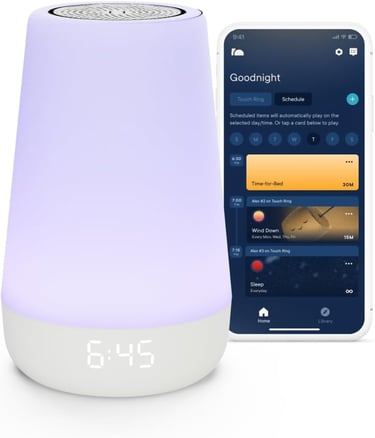
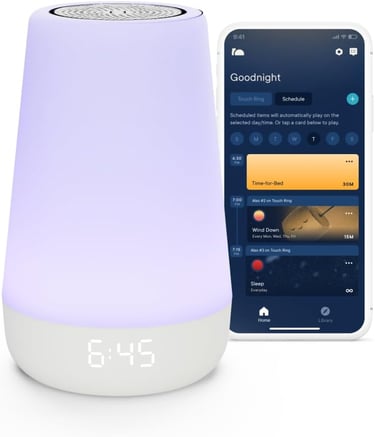
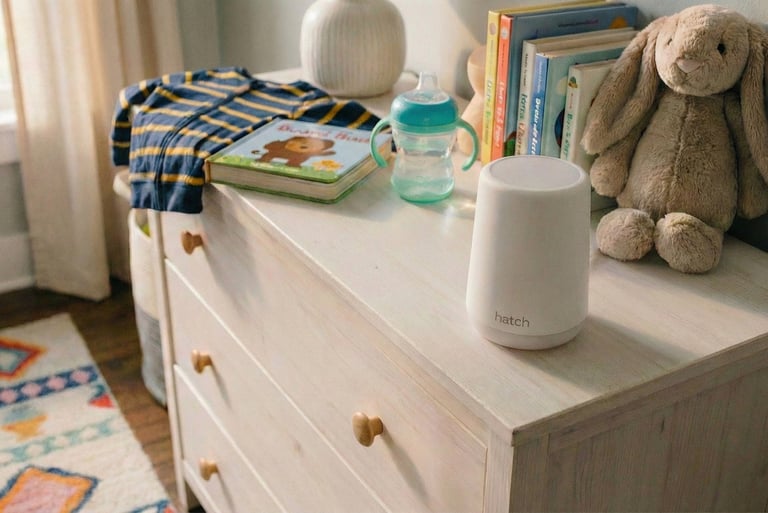
Toddlers don't understand "one hour," but they do understand a visual cue. An "OK to wake" clock (like a Hatch, for example) is perfect for this.
Set the clock to turn a specific color or play a specific sound when quiet time is over.
This empowers them because they can see for themselves when the time is up, instead of constantly yelling, "Is it over yet?"
5. Create "Special" Quiet Time Activities
The best trick is to have a "Quiet Time Box" or a basket of toys that only come out during quiet time. This makes it feel special and exciting.
These activities should be things they can do safely and independently without your help.
Avoid screens, noisy electronics, or anything that requires your supervision.
Good Quiet Time Activities for a Toddler
Books: A big stack of their favorite sensory books or picture books.
Puzzles: Simple, chunky wooden puzzles.
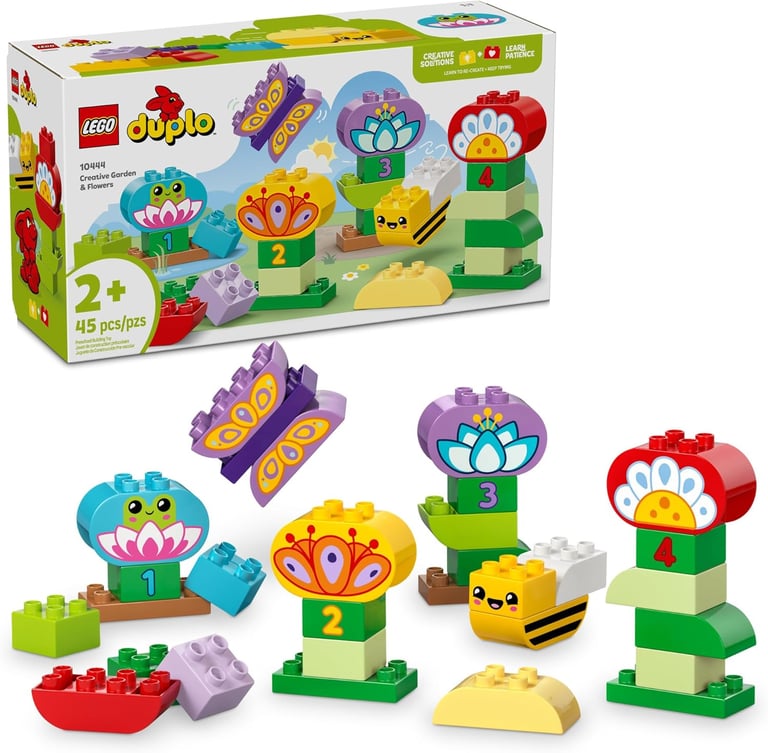
Building Toys: Things like Duplos (my daughter loves the faces on these!), LEGOs, or magnetic tiles (Magnatiles).
Dolls or Stuffed Animals: Great for imaginative, pretend play.
Stickers: Reusable magnetic pads are a fantastic, mess-free option.
Audio: Put on some calm, quiet music or an audiobook for them to listen to.
Troubleshooting & Tips for Success
What if they won't stay in their room? Be calm but firm. If they come out, gently lead them back, restate the rule ("It's still quiet time"), and tell them you'll see them when their light turns green. You may have to do this many times at first.
What if they just cry or yell? This is common at first. Try starting with "buddy quiet time"—you stay in the room with them for 10-15 minutes, but you read your own book or do your own quiet activity. Don't engage in play. This models the calm behavior.
Fill their "connection cup" first. Spend 10-15 minutes of dedicated one-on-one time (like reading books together) right before quiet time starts. It often helps them feel more secure about playing alone.
It can take a week or two for the new routine to stick, but the consistency will pay off. Good luck!
How did you introduce quiet time to your little one? Connect with me below!